
7 Brentwood Neighborhood Clues First-Time Buyers Should Notice Before Touring
7 Brentwood Neighborhood Clues First-Time Buyers Should Notice Before Touring
House hunting starts long before you step through the front door. For first-time buyers looking in Brentwood, the smartest move is learning how to read the neighborhood itself. Streets, parks, traffic flow, upkeep, and even the rhythm of a block can tell you a lot about daily life, future resale appeal, and whether a home will feel right once the excitement of a showing wears off.
In a market where confidence matters, paying attention to the setting around a property can save time and sharpen your instincts. Brentwood offers a mix of newer developments, established residential pockets, commuter-friendly corridors, and community-focused amenities, so one street can feel very different from the next. Before touring, it helps to notice the clues that reveal how a neighborhood actually lives.
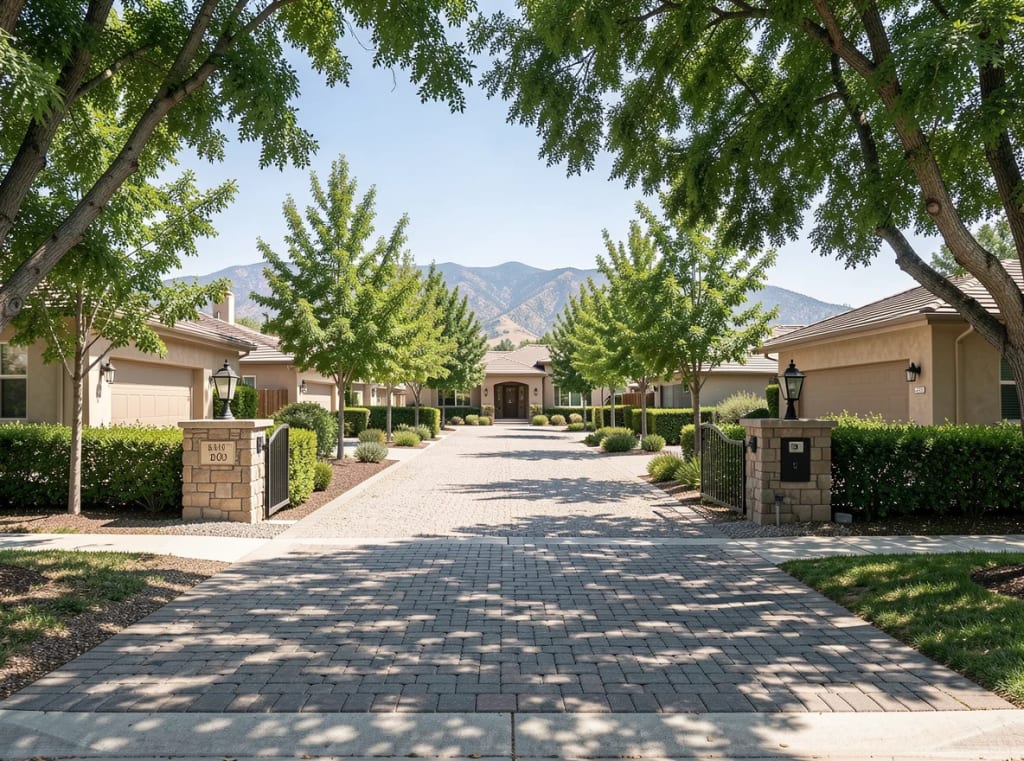
1. Look at the condition of neighboring homes. A tidy block usually says more than the listing description. Consistent landscaping, maintained fences, clean driveways, and intact roofs suggest owners are invested in their properties. That can point to neighborhood pride and steadier long-term value. On the other hand, if several nearby homes show deferred maintenance, buyers should consider what that might mean for future appreciation and overall atmosphere.
2. Notice how the streets are used. Are cars packed along curbs every evening? Do garages appear functional, or are they mostly storage zones? Is the street quiet, or does it feel like a shortcut for faster-moving traffic? A calm residential street may feel ideal for some buyers, while others may prefer quick access to major routes. In Brentwood, where convenience to schools, shopping areas, and commuter roads can shape daily routine, street behavior matters almost as much as square footage.
3. Pay attention to noise patterns. Even a beautiful home can feel different if it backs to a busy road, sits near a high-activity corridor, or catches regular delivery and commute traffic. Try touring at different times of day if possible. Morning school drop-off, late afternoon returning traffic, and weekend activity can all shift the feel of a neighborhood. First-time buyers often focus on finishes inside the home, but the soundtrack outside can strongly affect comfort.
What Community Clues Say About Everyday Living
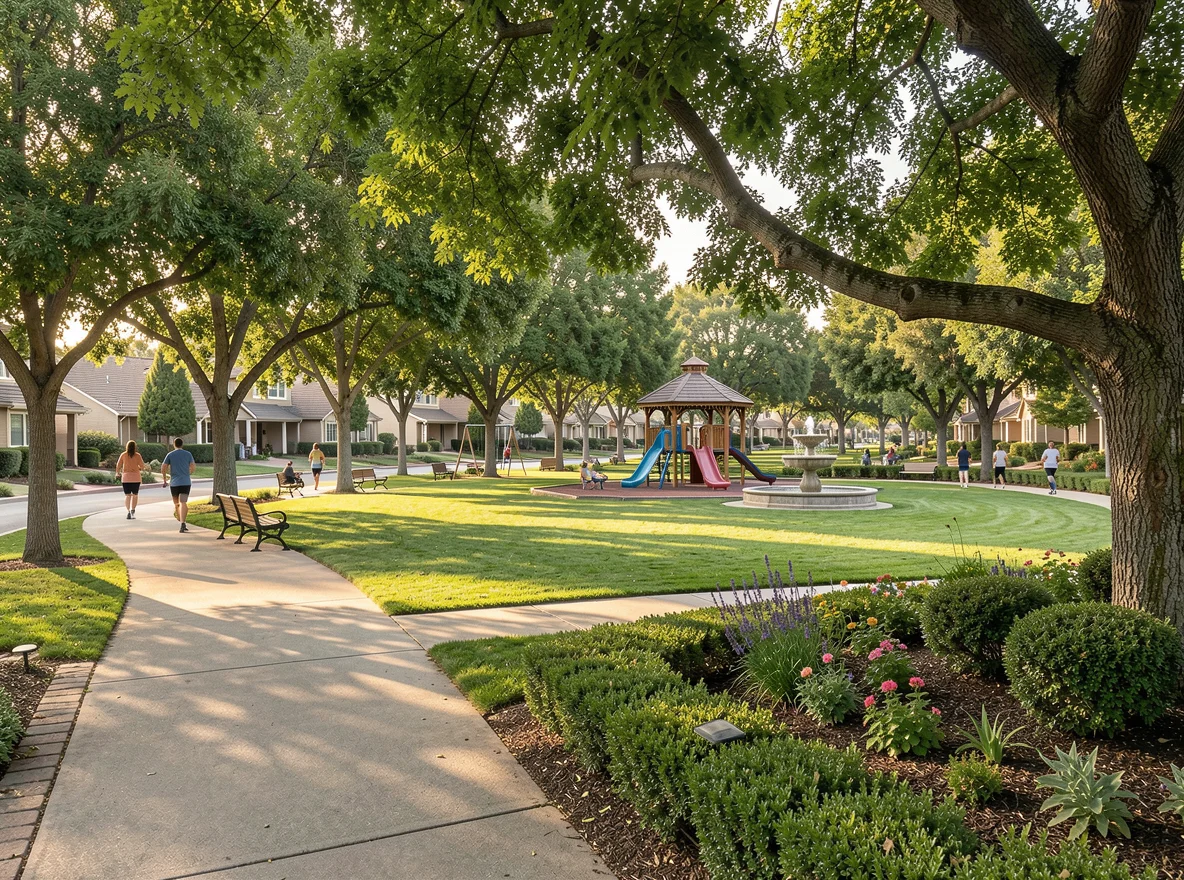
4. Check the nearby amenities that support real life. A neighborhood is more than its homes. Parks, walking paths, recreation areas, and easy errands all shape how convenient a place feels after move-in day. Brentwood is known for family-friendly residential areas, local gathering spots, and access to outdoor recreation, so buyers should look at whether a home is close to the kinds of amenities they will actually use. A short drive to essentials may be perfectly fine for one household and frustrating for another.
5. Observe the pace and personality of the area. Some neighborhoods feel active and social, with visible movement in the evenings and weekends. Others are notably quiet and private. Neither is automatically better; the key is fit. If you want peaceful evenings and a slower residential rhythm, an energetic block may not feel relaxing. If you like a sense of community and visible activity, an ultra-silent area may not feel as connected. Touring with this in mind makes your reactions more useful.
6. Consider school access and traffic around it. Even buyers without children should pay attention to school proximity because it influences traffic patterns, buyer demand, and long-term resale. Areas near well-regarded schools can see stronger interest over time, but they may also bring busier mornings and afternoons. Spend a minute looking at crosswalks, pickup flow, and how the streets function during peak hours. That practical detail can change how a location feels day to day.
7. Watch for signs of future stability. New construction nearby, vacant lots, changing retail corridors, and major road access can all hint at where an area is headed. Brentwood has continued to attract buyers looking for more space and suburban comfort within reach of the broader East Bay. That means some areas may offer a polished, established feel today, while others are still growing into themselves. A first-time buyer should ask not only “What is this block like now?” but also “What will it likely feel like in five years?”
These clues also connect directly to real estate strategy. A home in a well-maintained neighborhood with practical amenities, balanced traffic flow, and broad buyer appeal may hold value differently than a similar home in a less cohesive setting. That is why experienced guidance matters. Buyers working with professionals who value clarity can better separate cosmetic excitement from the deeper factors that influence satisfaction and resale potential.
Reading Brentwood With a Smarter Buyer Lens
There is also a lifestyle layer that first-time buyers should not overlook. Brentwood appeals to many people because it blends residential comfort with access to parks, local dining, schools, and everyday convenience. Some buyers are drawn to larger homes and newer subdivisions, while others care most about proximity to community spaces or a more established street presence. The right neighborhood is not always the one that looks best in listing photos; often, it is the one that matches your routines without forcing compromises you will feel every week.
One helpful approach is to treat every tour like a mini field study. Arrive early. Drive the surrounding streets. Notice whether front yards are used, whether sidewalks feel inviting, and whether the block gives off a cohesive sense of care. Look for simple indicators like street lighting, parking ease, and how close the home sits to activity centers. Those details may seem minor at first, but together they create the lived experience that turns a house into a smart purchase.
For buyers entering the process for the first time, the goal is not to become instantly certain about every property. It is to become more observant, more grounded, and more confident. When you know how to read a neighborhood, you ask better questions, compare homes more effectively, and avoid getting distracted by staging alone. That kind of perspective can make the entire search feel less overwhelming and much more intentional.
Whether you are narrowing down your first shortlist or preparing to tour this weekend, Brentwood rewards buyers who pay attention beyond the front door. The strongest decisions come from pairing what you see inside a home with what the neighborhood quietly tells you outside. And with the right guidance, those clues become a powerful advantage.